Why Your Team Isn't Hearing You & How to Fix It
Apr 14, 2026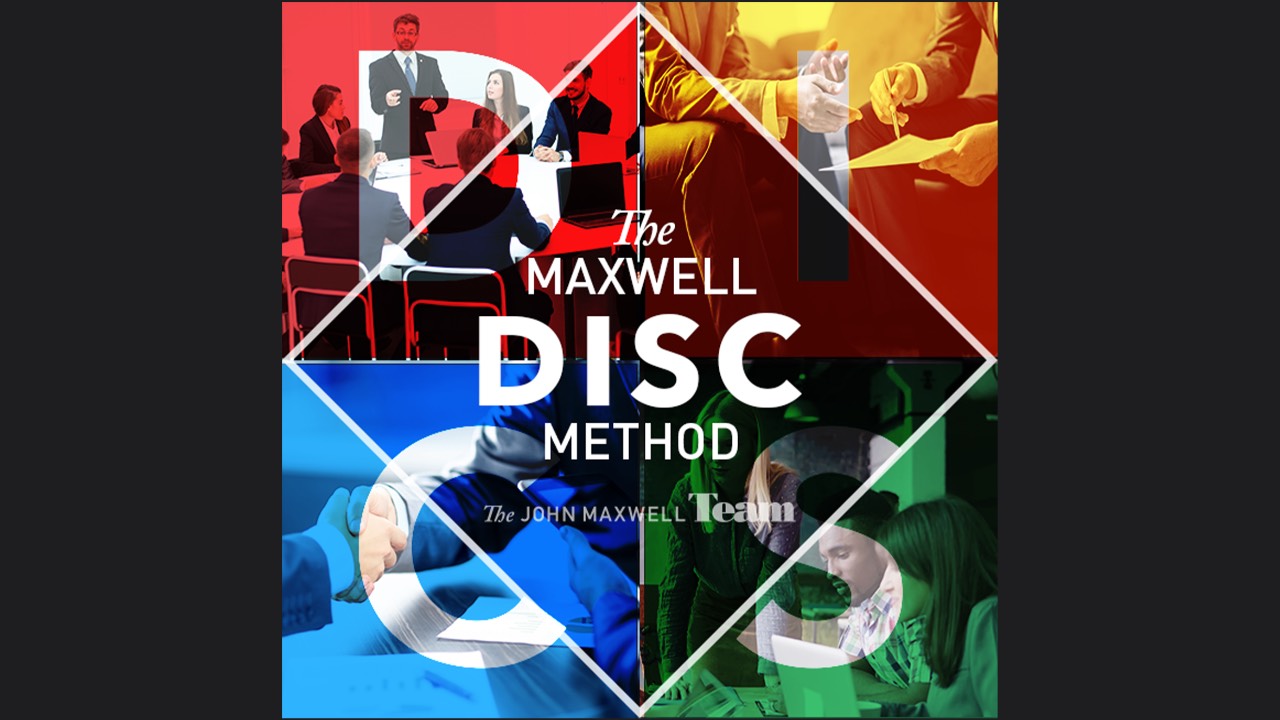
What is a DISC Profile? A Leader's Guide to Communication Styles
7 MIN READ / April 14, 2026
By Desi Mayner (Founder of Mayner Leadership)
Here is why you're not getting through to your team...
You explained what you needed, but your team member walked away with a different understanding. Sound familiar?
What feels clear to you can come across rushed, vague or overwhelming to someone else. Now you’re explaining it again, clearing up frustration, and wondering why your team isn’t aligned.
So how do you finally get on the same page?
DISC styles show how people naturally communicate and respond so your message lands clearly and the constant miscommunication ends.
Key Takeaways
- DISC is a model that helps you understand how people tend to communicate and behave.
- D (Decisive / Dominant): Fast, assertive and competitive, people who are High-D want results now and tend to skip the details. When hiring, they want to fill the role and move on.
- I (Interactive / Influential): Social, persuasive and fun-loving, these people focus on relationships over details. When hiring, they prioritize connection over qualifications.
- S (Stabilizing / Steady): Loyal, team-oriented and conflict-averse, a High-S person values harmony and takes their time making decisions. When hiring, they prioritize cultural fit and team dynamics.
- C (Cautious / Conscientious): Logical, process-driven and detail-focused, someone who is High-C wants things done right. When hiring, they take their time finding the perfect fit.
Leading a team would be a lot easier if everyone communicated the same way. But they don’t.
Some people are direct and fast-paced. Others need time to process. Some speak up quickly, while others hang back and think things through. None of that is wrong, but it can create tension on your team if you don’t know how to navigate it.
This tension shows up in meetings, in everyday conversations and especially when you’re trying to choose the right person to add to your team. If you don’t have a way to understand those differences, you’ll keep running into the same problems.
That’s where DISC comes in.
What is a DISC Profile?
The DISC Assessment is a communication and behavior tool that gives you a DISC Profile—a personalized report that shows how you and your team naturally operate. With that clarity, you can adjust how you lead, improve communication, and create a stronger, more unified team.
But what exactly is DISC and how does it work? Let’s take a look.
What DISC Is (and Isn’t)
First things first. When we say DISC, we’re not talking about anything connected to brakes or back pain. We’re not even talking about a personality test.
DISC is a model that helps you understand how people tend to communicate and behave.
When you understand someone’s DISC style, you can communicate more effectively and connect faster because you understand how they tend to respond, decide and interact.
What Does DISC Assessment Stand For?
DISC stands for four core communication styles:
- D: Decisive or Dominant
- I: Interactive or Influential
- S: Stabilizing or Steady
- C: Cautious or Conscientious
(You might’ve also seen different wording for these styles—for example, dominant, influential, steady and conscientious. I am a certified John Maxwell Leadership DISC Communication & Behavioral Consultant and have been trained by the founder of People Keys, Dr. Sandy Kulkin, a world renowned behavioral expert.)
Everyone uses all four styles, but most people have stronger style preferences, like being High-D or High-C. Once you take the assessment powered by Ramsey, you get a DISC Profile that shows you how those preferences combine. The knowledge you gain from your Profile helps shape the way you communicate and respond to others.
What Does a DISC Assessment Measure?
The DISC Assessment measures how you tend to:
- Communicate with others
- Respond to challenges and pressure
- Approach tasks and decisions
- Interact within a team
Remember: DISC focuses on how you behave and communicate, not your identity.
You complete the assessment online by responding to a series of statements, and it typically takes about 10–15 minutes. Then, you’ll receive a DISC Profile that breaks down your style preferences and shows you how to apply them in real-world situations.
DISC Assessment Overview
Take a look below at the DISC styles to see how each one tends to show up.
D: Decisive / Dominant
Decisive/Dominant people are driven, assertive and fiercely competitive. They’re dominant, hard-charging and want to get stuff done—which means they’re likely to skip the details at first. Many business leaders have High-D style preferences. High-Ds tend to be project-driven, fast-paced and skeptical. (This description is short just for you, High-Ds.)
- About 10% of people have a strong D style preference.
- Their focus: WHEN
- A High-D in charge of hiring wants to fill the spot, check the box, and move on.
I: Interactive / Influential
You know the High-I people. They’re the fun-loving, sociable, persuasive ones who love to play. Put them in a room by themselves to work, and they just might have a breakdown. A High-I may not naturally stay focused on details and tasks, but they’re definitely focused on others. They know what’s going on with their team members and care deeply. They’re people-oriented, fast-paced and accepting.
- About 25% of people have a strong I style preference.
- Their focus: WHO
- A High-I in charge of hiring wants to hire someone who’s enjoyable to work with and may be less focused on finding a candidate who matches every bullet on the job description.
S: Stabilizing / Steady
Stabilizing (or steady) people are loyal team players who like to get along with everyone. They’re supportive and have strong active-listening skills, which helps others feel calm and steady too. High-S people are often slow to decide and tend to avoid conflict and tension.
Pro tip: As a leader, be careful not to plow over them. High-S team members often have great ideas and insights, but you’ll need to draw those out and challenge them to speak up in groups.
High-S people are people-oriented, moderately paced and accepting.
- About 40% of people have a strong S style preference.
- Their focus: WHY
- A High-S in charge of hiring wants to make sure the candidate understands the company’s culture and will work well with the team.
C: Cautious / Conscientious
High-C people are focused on procedure, logic and making sure things are done the right way. Processes, structure and clear expectations are their sweet spot. Give them good data to inform their decisions, and they’ll solve problems like nobody’s business. They may ask a lot of questions, but it’s all in the name of accuracy and excellence. High-Cs are project-focused, moderately paced and tend to be more skeptical.
- About 25% of people have a strong C style preference.
- Their focus: HOW
- A High-C in charge of hiring is looking for the right fit in attitude, skills and proven performance—even if it takes a long time to find the right person.
How to Build a Bridge With the 4 DISC Styles—Literally
Let’s look at an example to see all four DISC styles in action. Pretend you lump people of each style into their own group and tell them to build a bridge. Here’s what might happen next:
The High-D people say, “Details, schmetails. Let’s get to work!” They’re leading the charge to make stuff happen. Your High-Ds don’t sweat the details, and perfection will not get in the way of progress. It’s go time!
The High-I people also don’t sweat the details. All they need to know is who else is part of the project. When people and a party are on the agenda, let the games begin. They’re creating the press release, ordering the balloon arch, and preparing for the conga line across the finished bridge.
The High-S people immediately think, Why are we building a bridge? Does the whole team know? How do they feel? Once they’re convinced the mission outweighs any conflict, they roll up their sleeves and stay strong to the finish.
The High-C people fire off enough questions to make a 4-year-old stalling at bedtime tired, but it’s always in the name of accuracy and progress. What kind of bridge? Do you want concrete, steel or wood? Will it face north to south or east to west? What’s your budget and timeline? Give them all the details, and they’ll help you build something way better than you ever expected.
So, which style do you need to get the best result? All of them.
As the leader, your role is to guide how those styles work together so your team is balanced, effective and aligned. Most people have two or three strong style preferences, which is a good reminder not to box anyone into a single extreme.
Pro tip: Never use any one assessment tool alone to rule out team members for certain positions or promotions. For example, not every leader has to be a High-D.
How to Run a Job Site With the 4 DISC Styles
Let’s bring this into your world.
You’ve got a job to complete…maybe it’s a new install, a service call, or any type of project for a customer.
Here’s how each style shows up:
The High-D says, “What’s the job? Let’s go.”
They’re grabbing tools, moving fast, and pushing the team to get it done. Speed matters. Results matter. They’re not worried about every detail, they just want to win the job.
The High-I says, “Who’s on this with me?”
They’re talking with the customer, building rapport, keeping the mood light, and making the experience positive. The job feels good because they’re involved.
The High-S says, “Let’s make sure we’re all on the same page.”
They’re checking in with the team, making sure everyone knows their role, and helping where needed. They keep things steady and make sure no one gets left behind.
The High-C says, “Hold on, what’s the plan?”
They’re reviewing the details, double-checking measurements, and making sure it’s done right the first time. No shortcuts. No mistakes.
So who do you need to complete the job the right way?
All of them.
As the leader, your job is to make sure:
- The D doesn’t rush past quality
- The I doesn’t lose focus
- The S doesn’t stay quiet
- The C doesn’t slow everything down
That’s how you turn a group of workers into a team that executes.
Why Leaders Use the DISC Assessment
If you lead people, communicating is your job.
DISC gives you a shared language to understand your team’s communication preferences so you’re not guessing why someone shuts down, pushes back or avoids conflict. That’s how you build unity, and unity is what makes teams unstoppable.
When you understand DISC styles, you can:
- Adjust how you communicate
- Reduce friction on your team
- Build trust faster
- Lead people more effectively
That’s when communication drives results instead of driving people crazy.
What’s Next: Lead With Clarity
The better you know your DISC style, as well as your team’s style preferences, the better equipped you’ll be to lead well and win together.
Take the Mayner Leadership DISC Assessment to discover your communication style and get your full DISC Profile with clear, personalized insights you can use right away for yourself, your team and your business.
About the Author
Desi Mayner
Founder, Mayner Leadership
Desi helps small service-based business owners, operators, and leaders build stronger teams, cleaner operations, and better results through simple, practical leadership.
With a background as a Division I football player, business owner, and leadership coach, Desi brings a real-world, no-BS approach to leadership development—focused on what actually works in the day-to-day of running a business.
Through coaching, training, workshops, and digital resources, Desi teaches leaders how to take absolute accountability, communicate clearly, and execute consistently. His work centers on helping business owners stop feeling overwhelmed and start leading with structure, direction, and confidence.
Mayner Leadership equips leaders with proven frameworks, tools, and systems to improve communication, strengthen accountability, and build teams that perform—so the business can grow without the chaos.
Whether through one-on-one coaching, team training, or The League membership, Desi and his team are committed to helping leaders win—at work, at home, and with their people.
Get the Newsletter
Want Tactical Business and Leadership Tips sent to your inbox every week? We've got a newsletter just for you
We hate SPAM. We will never sell your information, for any reason.